5 Best Large Nose Strips for Better Breathing?
Breathing should feel effortless, yet a narrow or congested nose can make every inhale feel like work. Large Nose Strips may help by gently lifting the outer nasal walls, creating more space at the nostril entrance. They do not deliver medicine. They also cannot correct a deviated septum or treat obstructive sleep apnea.
Market evidence shows growing interest. Grand View Research identifies nasal strips as a steadily expanding respiratory-care category, driven by sleep, exercise, and drug-free comfort products. However, market estimates differ because some reports include only adhesive strips, while others group them with broader nasal dilators. That difference matters. Bigger sales do not automatically mean better breathing.
Dr. Steven Y. Park, an airway and sleep specialist, has emphasized, “The nose is the body’s natural air filter.” His point supports a practical test: a strip should improve airflow without causing skin pain, redness, or repeated nighttime removal. In this guide, we compare five Large Nose Strips by width, adhesive strength, flexibility, comfort, and value.
Real-world details matter. A useful strip should stay attached through facial oil, light sweat, and several hours of sleep. It should also fit a broad bridge without pulling the skin sharply. Some users may prefer stronger support. Others may need gentler adhesive.
The evidence is helpful, but not perfect. Individual results vary. If loud snoring, choking sensations, or daytime fatigue continue, professional assessment is more appropriate than relying on strips alone.
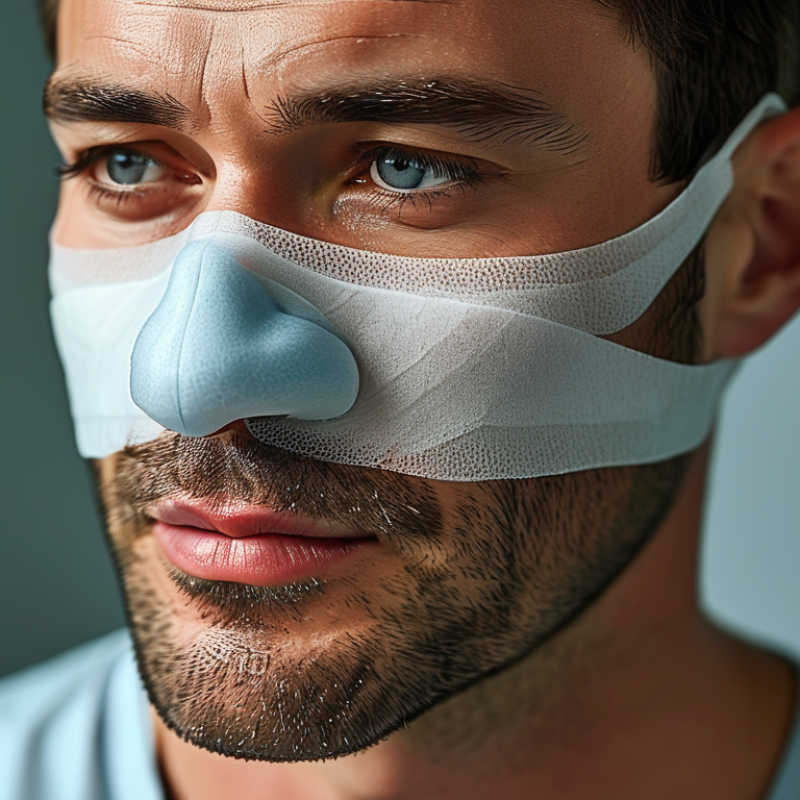
What Large Nose Strips Are and How They Support Nasal Breathing
Large nose strips are external nasal dilators. They use flexible tension to lift the skin above the nasal valves. This can widen the front nasal passage and make inhalation feel easier. The effect is mechanical, not medicinal. No drug enters your body. A systematic review published in Sleep Medicine Reviews found that nasal dilators may improve perceived airflow, but objective breathing results remain inconsistent. That difference matters.
Sizing is practical. A large strip should rest across the upper nose, not the soft tip. Clean, dry skin improves adhesion. Center it on the bridge, then press outward. You should feel gentle lift, never pinching. Remove it slowly after washing. Sensitive skin may develop redness or itching. Small details matter. Stop using it if irritation persists.
Nose strips are not treatments for obstructive sleep apnea. The American Academy of Sleep Medicine estimates that about 30 million U.S. adults have this condition, while many remain undiagnosed. Loud snoring, witnessed breathing pauses, and daytime sleepiness deserve medical assessment. Strips may support breathing during exercise, minor congestion, or sleep, but they cannot remove swollen tissue. In practical testing, comfort, width, residue, and skin response matter more than dramatic claims. I would also retest while side sleeping, because posture changes airflow. Results vary, and that limitation should be stated clearly.
Five Large Nose Strip Types Compared by Fit, Comfort, and Support
Large nose strips are not interchangeable. Their real differences appear in fit, comfort, and support during sleep or exercise. A strip that feels powerful on one nose may lift poorly on another. Size is not the whole answer.
The rigid spring strip offers the strongest outward support. It suits users who want noticeable nasal opening, but its edges can feel sharp. Flexible plastic strips provide moderate support and adapt better to curved noses.
Fabric-backed strips feel softer against dry skin and move naturally with facial expressions. Foam strips add cushioning and may reduce pressure points. Silicone-style strips usually feel smooth and gentle, though their support can fade with sweat or facial oil.
For broad noses, choose a strip that reaches across the nostril sides without touching the eyes. A poor fit can pull the skin unevenly. Clean, dry skin improves adhesion. Trim excess facial hair when appropriate. Skin sensitivity still matters. Test one strip during the day before sleeping with it overnight. External strips may widen the nasal passage, but they cannot treat allergies, infection, or deeper obstruction. My own preference changed after comparing comfort over several nights; the strongest strip was not the easiest to tolerate. That detail is easy to overlook. Contentment comes from steady breathing, not maximum tension.
How to Apply Large Nose Strips Correctly for Better Airflow
Large nose strips can improve the feeling of airflow when applied carefully. Their spring-like support gently lifts the outer nasal walls. They do not treat allergies, infection, or a severely blocked nose.
Start with clean, completely dry skin. Wash away oil, moisturiser, and sweat. Pat the nose dry. Even a thin layer of lotion can weaken the adhesive. Position the strip across the bridge, not over the nostrils. Its centre should sit above the widest part of the nose. Press both ends down evenly, then hold them for several seconds. Do not stretch the strip aggressively. Too much tension may irritate the skin without improving airflow.
Apply it before exercise, sleep, or other activities when nasal breathing feels restricted. Check the edges after a few minutes. If one side lifts, remove the strip and try again with fresh, dry skin. Small adjustments matter. The result is not always perfect. Some users may notice little change, especially when congestion comes from deeper inside the nose.
Remove the strip slowly after wetting it with warm water. Pulling quickly can cause redness or tiny skin tears. Stop using it if burning, swelling, or persistent irritation appears. People with ongoing breathing problems should seek advice from a qualified healthcare professional.
Safety Considerations and Alternatives to Large Nose Strips
Large nose strips can widen the nasal entrance and may improve airflow during exercise or sleep. They do not remove mucus or treat swollen nasal tissue. Bigger is not automatically better. A wide strip can pull sensitive skin, especially after shaving or washing. Use one on clean, fully dry skin, away from cuts, eczema, acne, or sunburn. Press it gently, follow the recommended wear time, and remove it with warm water. Stop if burning, rash, swelling, or lasting soreness appears. Children, people with fragile skin, and anyone recovering from nasal procedures should ask a clinician first.
Alternatives depend on the cause of poor breathing. Saline spray may loosen dryness and thick mucus. A properly used saline rinse can help allergies, but sterile or distilled water is essential. Internal nasal dilators may offer support without adhesive, although comfort varies. A humidifier can reduce dry-night irritation, but it needs regular cleaning. Allergy control may involve reducing dust exposure or discussing medication with a qualified professional. Do not rely on strips for loud snoring, choking during sleep, or repeated morning headaches. These signs can indicate sleep-disordered breathing and deserve medical assessment. I once assumed stronger adhesion meant better breathing. That was too simple. Comfort, skin response, and the underlying problem matter more than size.


 Reliability
 Integrity
 Teamwork
 Looking for the
  Register as